
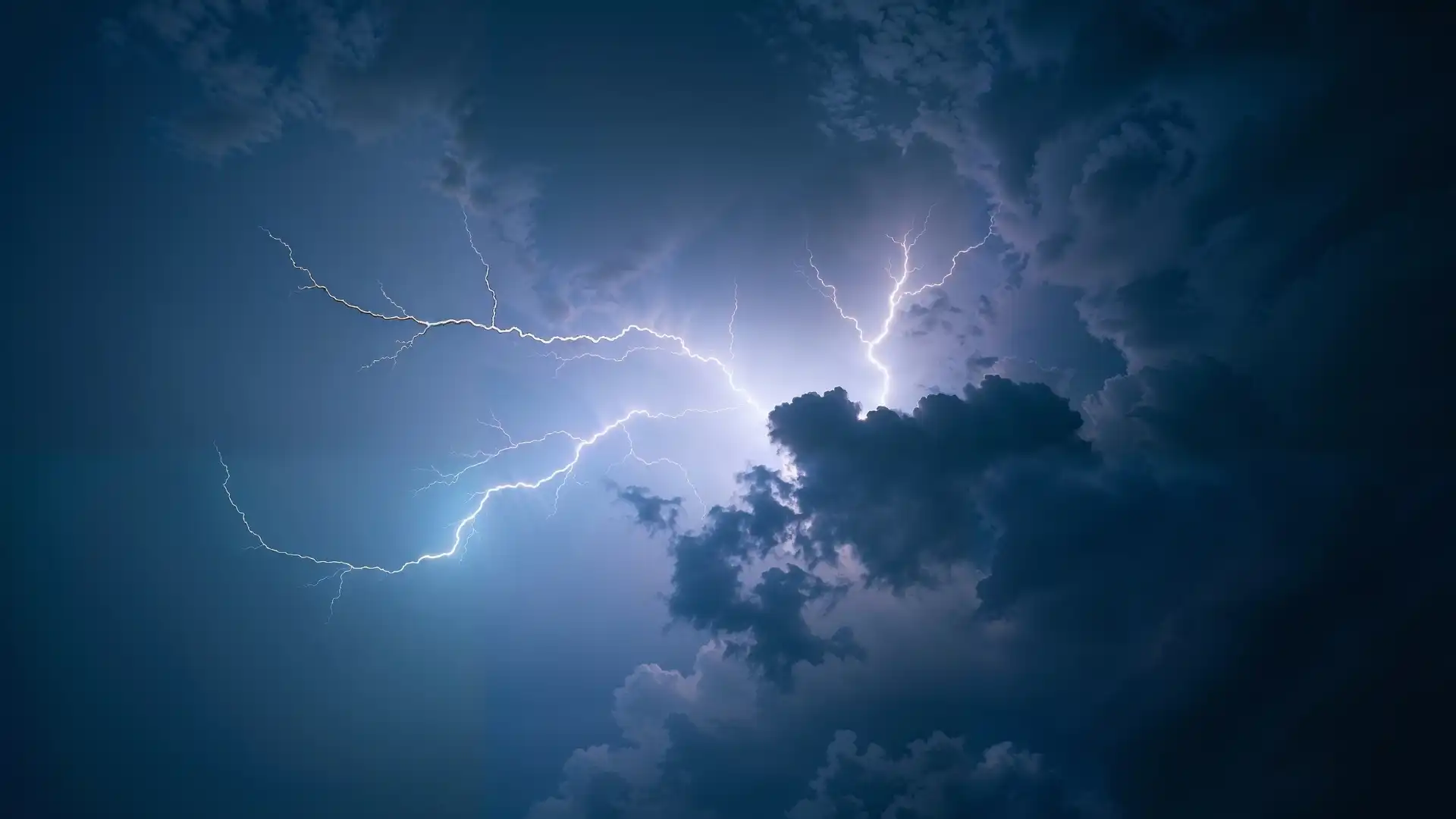
Living in Houston comes with many advantages—world-class dining, diverse communities, a thriving economy, and a lifestyle that’s uniquely Texas. But it also means living with the reality of hurricane season.
From Hurricane Alicia in 1983 to Harvey in 2017, Houston homeowners know that tropical storms and hurricanes can bring powerful winds, flooding, prolonged power outages, and costly property damage. While no one can predict exactly where the next storm will make landfall, preparation can make a significant difference in protecting your home, your family, and your peace of mind.
Whether you’re a longtime Houston resident or a recent transplant experiencing your first hurricane season, here’s what every homeowner should know.
Understanding Hurricane Season in Houston
The Atlantic hurricane season runs from June 1 through November 30, with activity typically peaking between August and October.
It’s important to remember that Houston doesn’t have to take a direct hit from a hurricane to experience significant impacts. Tropical storms and hurricanes making landfall hundreds of miles away can still bring:
- Heavy rainfall
- Flash flooding
- Strong winds
- Tornadoes
- Extended power outages
- Fallen trees and debris
Preparation should begin long before a storm enters the Gulf.
Review Your Home Insurance Coverage
One of the most important steps homeowners can take is understanding their insurance coverage before it’s needed.
Review your policies and verify:
- Dwelling coverage limits
- Deductibles
- Personal property coverage
- Additional living expense coverage
- Windstorm coverage
- Flood insurance coverage
A common misconception among homeowners is that standard homeowners insurance covers flood damage. In most cases, it does not.
Since flooding can occur far from flood zones, it’s worth evaluating whether a separate flood insurance policy makes sense for your property.
Keep digital copies of your policies and insurance contact information stored in the cloud or on your phone.
Protect Your Home’s Exterior
Your home’s first line of defense is its exterior.
Before hurricane season begins:
Inspect Your Roof
Look for:
- Missing shingles
- Loose flashing
- Damaged vents
- Signs of leaks
Small roof issues can become major problems during high winds and heavy rain.
Clean Gutters and Drains
Clogged gutters can contribute to water intrusion and poor drainage around the home.
Remove:
- Leaves
- Branches
- Debris
Ensure downspouts direct water away from the foundation.
Trim Trees and Landscaping
Houston’s mature trees are beautiful, but during storms they can become dangerous and costly hazards.
Trim:
- Dead limbs
- Overhanging branches
- Trees close to roofs or power lines
Proper maintenance can help reduce the risk of fallen limbs causing damage.
Secure Outdoor Items
When hurricane warnings are issued, anything outside can become a projectile.
Bring indoors:
- Patio furniture
- Potted plants
- Grills
- Decorations
- Umbrellas
- Sports equipment
If it can blow away, it should be secured or stored.
Prepare for Power Outages
Power outages are among the most common hurricane-related disruptions.
Create a plan before the storm arrives.
Essential Supplies
Have enough supplies for at least 3–7 days:
- Bottled water
- Nonperishable food
- Prescription medications
- Flashlights
- Extra batteries
- Portable chargers
- First aid supplies
Backup Power
If you own a generator:
- Test it before hurricane season
- Store fuel safely
- Follow manufacturer safety guidelines
Never operate a generator indoors or in enclosed spaces.
Charge phones, laptops, and backup batteries whenever a storm threatens the area.
Know Your Evacuation and Flood Risk
Not every Houston resident will need to evacuate during a storm.
In fact, unnecessary evacuations can create traffic challenges for those who truly need to leave.
Know:
- Whether your neighborhood is prone to flooding
- Your local evacuation zone
- Multiple evacuation routes
- Nearby emergency shelters
Stay informed through trusted local sources and emergency management officials.
Create a Home Inventory
Documenting your belongings before a storm can make the insurance claims process much smoother.
Walk through your home and record:
- Furniture
- Electronics
- Appliances
- Artwork
- Jewelry
- Valuable possessions
Take photos and videos of each room and store them securely online.
This simple step can save significant stress after a disaster.
Protect Important Documents
Store critical documents in waterproof containers or digital cloud storage.
Consider protecting:
- Insurance policies
- Passports
- Birth certificates
- Social Security cards
- Property records
- Medical information
Being able to quickly access these documents after a storm can be invaluable.
Don’t Forget Your Pets!
Pets are family, too.
Prepare a pet emergency kit that includes:
- Food and water
- Medications
- Leashes and carriers
- Vaccination records
- Comfort items
If evacuation becomes necessary, identify pet-friendly hotels or shelters in advance.
After the Storm: Safety Comes First
Once the storm passes, resist the urge to immediately begin cleanup.
First:
- Watch for downed power lines
- Avoid standing water
- Be cautious of damaged structures
- Check for gas leaks
- Follow local safety advisories
If your property sustained damage:
- Document everything with photos.
- Contact your insurance provider.
- Make temporary repairs to prevent further damage.
- Keep all receipts related to cleanup and repairs.
Hurricane Preparedness Is Part of Responsible Homeownership
Owning a home in Houston means enjoying everything this incredible city has to offer—but it also means being prepared for the challenges that come with living along the Gulf Coast.
The good news is that most hurricane preparation can be done well before a storm is on the radar. Taking time now to review insurance coverage, maintain your property, assemble emergency supplies, and create a family plan can help protect both your investment and the people who call it home.
At Energy Realty, we believe homeownership goes beyond buying and selling. It’s about helping homeowners feel confident, informed, and prepared for every season—including hurricane season.
Stay safe, stay informed, and remember: the best time to prepare for a storm is before one is on the way.
Social Cookies
Social Cookies are used to enable you to share pages and content you find interesting throughout the website through third-party social networking or other websites (including, potentially for advertising purposes related to social networking).