
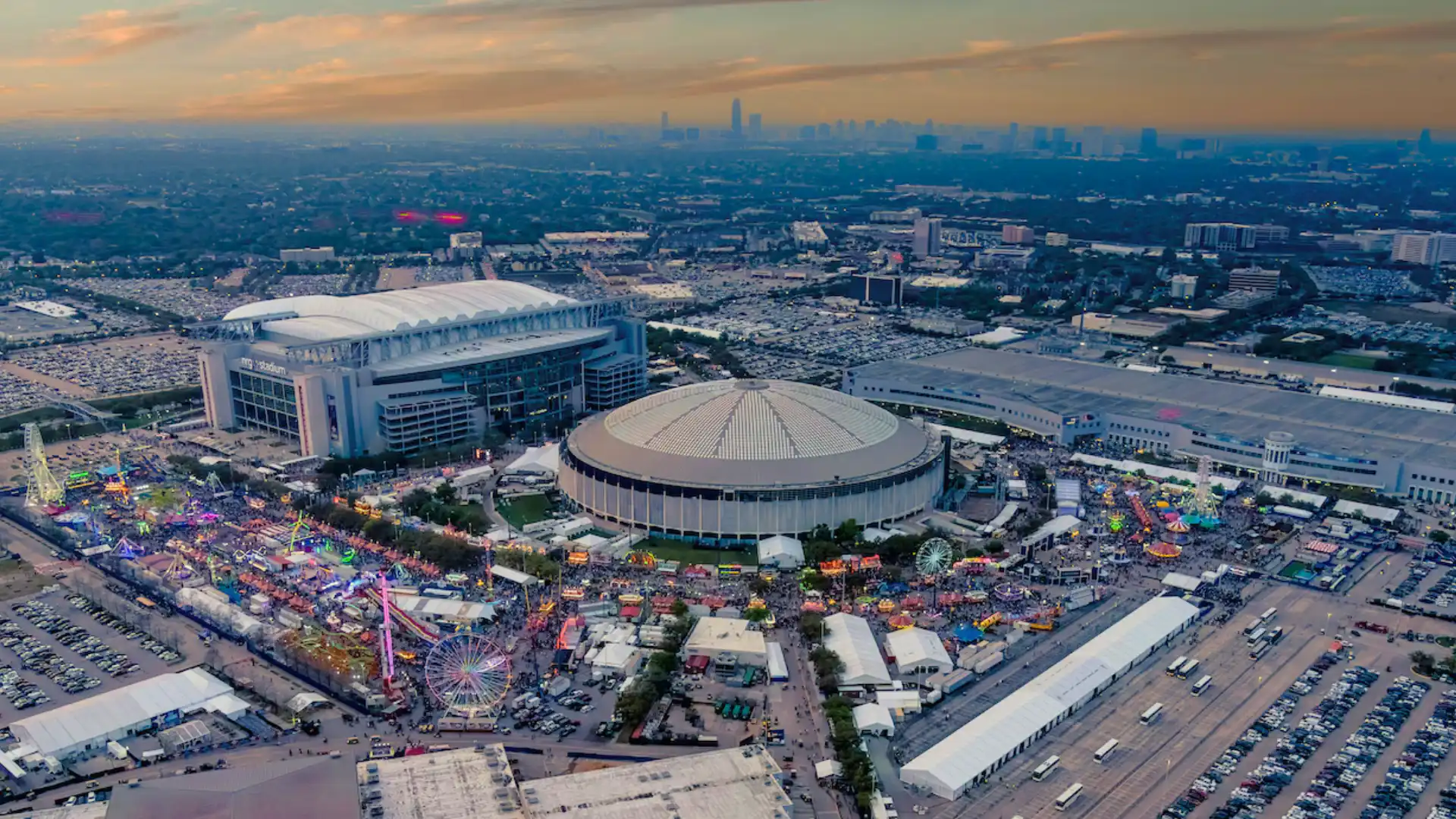
Every spring, Houston trades business suits for cowboy boots as the Houston Livestock Show and Rodeo rolls into town. What began as a modest livestock exhibition in 1932 has grown into one of the largest cultural events in the world, drawing millions of visitors each year and generating massive economic activity across the region.
But beyond the concerts, carnival rides, and legendary barbecue cook-off, the Rodeo plays a surprising role in shaping Houston’s real estate market, tourism economy, and long-term development patterns.
From increased housing demand near NRG Park to economic activity that fuels the local housing market, the Rodeo has become an annual force that impacts Houston real estate in more ways than most people realize.
Let’s take a closer look.
The Rodeo Is One of Houston’s Largest Economic Drivers
The Houston Livestock Show and Rodeo isn’t just a cultural tradition—it’s an economic powerhouse.
In 2024, Houston First Corporation reported that the event generates over $326 million in economic impact each year, with nearly $600 million in total economic activity across the Houston area.
To put that into perspective, the economic impact of the Rodeo nearly rivals the 2017 Super Bowl hosted in Houston, which generated about $347 million.
Unlike events like the Super Bowl or Final Four that occur once every several years, the Rodeo delivers this economic boost every single year.
That spending flows into:
- Hotels and short-term rentals
- Restaurants and entertainment venues
- Transportation and tourism services
- Retail businesses
- Event vendors and contractors
All of this contributes to Houston’s broader economic health, which in turn supports the stability and growth of the housing market.
Millions of Visitors Bring National Attention to Houston
The Houston Rodeo is the largest livestock exhibition and rodeo in the world, and its attendance numbers reflect that scale.
In 2025 alone, according to Community Impact, the Rodeo welcomed more than 2.7 million visitors over 23 days, setting a new all-time attendance record.
For comparison:
- Mardi Gras in New Orleans draws around 1.4 million visitors annually
- The Rodeo draws nearly double that amount
With millions of people traveling to Houston each year for the event, the Rodeo serves as a global showcase for the city—introducing visitors to Houston’s neighborhoods, culture, and lifestyle.
And for some visitors, that introduction turns into something bigger.
Many real estate professionals in Houston have seen buyers who first experienced the city through major events like the Rodeo before deciding to relocate or invest in Houston property.
Neighborhoods Near NRG Park Often See Seasonal Demand
The Rodeo takes place annually at NRG Park, located just south of the Texas Medical Center.
During Rodeo season, nearby areas often see increased demand for:
- Short-term rentals
- Corporate housing
- Extended-stay accommodations
Neighborhoods commonly benefiting from this activity include:
- Braeswood Place
- West University
- Southgate
- Medical Center area
- Inner Loop communities
While Rodeo visitors may only stay for a few days or weeks, the event consistently boosts local hospitality demand, which can influence the growth of short-term rental markets and hospitality-related development in the surrounding areas.
The Rodeo Helps Fuel Houston’s Tourism Economy
Tourism plays an important role in any city’s economic ecosystem, and the Rodeo is one of Houston’s biggest tourism engines.
The event supports thousands of local jobs and attracts spending across industries ranging from hotels and transportation to retail and entertainment.
The Rodeo itself also relies on more than 35,000 volunteers each year, contributing over 2 million hours of service.
That level of community participation reinforces Houston’s reputation as a city built on civic involvement and local pride, which is a major factor that attracts new residents and businesses.
When cities grow economically, their housing markets typically grow as well.
Rodeo Scholarships Invest in the Next Generation
One of the most unique aspects of the Houston Livestock Show and Rodeo is its long-standing commitment to education.
Since its founding, the Rodeo has awarded hundreds of millions of dollars in scholarships, grants, and educational programs for Texas students.
These scholarships support students attending colleges and universities across Texas and help strengthen the state’s future workforce.
In many ways, this investment in education indirectly supports long-term economic stability—which ultimately helps sustain housing demand across the Houston region.
Cultural Identity Can Shape Real Estate Demand
Cities are often defined by their cultural traditions, and the Houston Rodeo is one of the most recognizable parts of Houston’s identity.
For many residents, the Rodeo represents:
- Community pride
- Texas heritage
- Family traditions
- Social and networking events
During Rodeo season, it’s common to see:
- Boot-filled networking events
- Corporate rodeo suites
- Charity galas and auctions
- Neighborhood gatherings and watch parties
These traditions contribute to Houston’s reputation as a city with strong culture and community, which is a key factor people consider when deciding where to live.
In real estate, lifestyle matters just as much as location—and events like the Rodeo help shape Houston’s lifestyle appeal.
A Tradition That Continues to Shape Houston
More than 90 years after its founding, the Houston Livestock Show and Rodeo remains one of the most influential annual events in the city.
What started as a small livestock show during the Great Depression has grown into a global attraction that:
- Welcomes millions of visitors each year
- Generates hundreds of millions in economic impact
- Supports education and community initiatives
- Showcases Houston’s culture to the world
And while the Rodeo may only last a few weeks each spring, its impact on Houston’s economy—and by extension its real estate market—lasts all year long.
Because in Houston, real estate isn’t just about homes and buildings.
It’s also about community, culture, and the traditions that bring people here in the first place.
Social Cookies
Social Cookies are used to enable you to share pages and content you find interesting throughout the website through third-party social networking or other websites (including, potentially for advertising purposes related to social networking).